
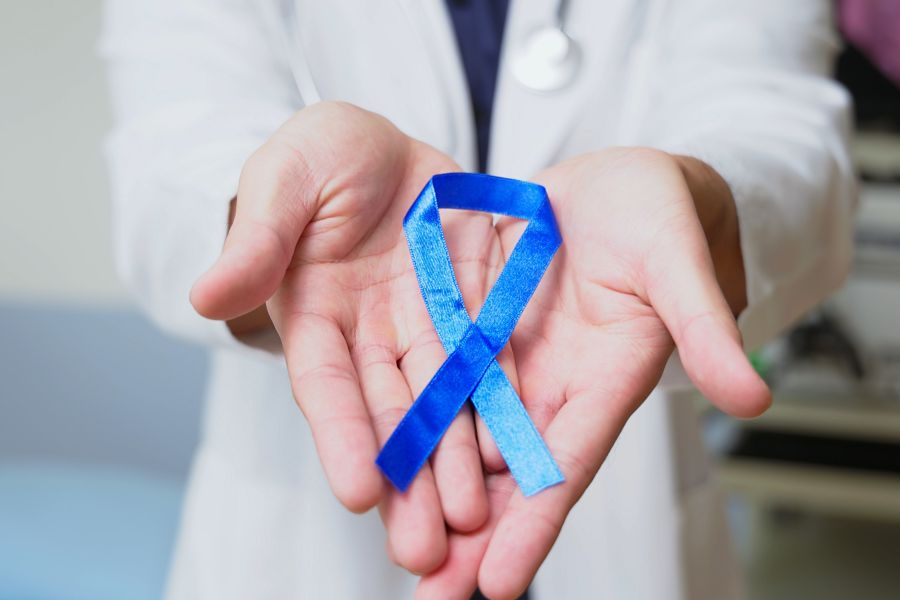
Let’s be real for a second.
When someone says “colon cancer awareness,” most people nod politely, maybe scroll past, and go on with their day. It feels clinical. Distant. Like something that happens to other people, older people, less healthy people, people who are not you.
But what happens when that “other person” is someone you grew up watching on television every week? What happens when it’s the greatest soccer player who ever lived? A Supreme Court Justice? The King of Wakanda? The guy from Dawson’s Creek who you watched every week in high school? The Queen of Rock and Roll?
Suddenly it’s not so distant anymore, is it?
That is exactly why we are writing this blog. Every March, we recognize National Colon Cancer Awareness Month, and this year, we want to do something more than list statistics. We want to put real faces to this disease. Faces you know. Faces you grew up with. Faces that belong to people who seemed untouchable, young, healthy, vibrant, successful, and who still found themselves sitting across from a doctor hearing words they never expected.
Because when awareness becomes personal, it stops being something you file away and starts being something you actually act on.
And action, specifically one 30-minute appointment, is what saves lives.
First, Let’s Talk About the Numbers
We know you were going to skip the statistics part. Just stay with us for one moment, because these numbers genuinely matter.
- 🔴 153,000 Americans are diagnosed with colon cancer every single year
- 🔴 52,000 people die from it annually in the United States alone
- 🔴 It is the second leading cause of cancer death in this country
- 🟢 90%+ survival rate when caught in its earliest stage
- 🟢 That survival rate drops significantly the longer detection is delayed
Here is the one that really puts everything in perspective: 1 in 24 Americans will be diagnosed with colon cancer in their lifetime. That is not someone in a faraway statistic. That is someone at your Thanksgiving table. Someone in your friend group. Possibly you.
The good news, and there genuinely is very good news here, is that colon cancer is one of the most preventable and most treatable cancers we have, when it is caught in time. The entire mission of this blog is to make sure you are someone who catches it in time.
The Faces Behind the Disease
This is the part that changes everything.
We could hand you a brochure. We could give you a pamphlet full of diagrams. But nothing makes this more real than the names below,people whose work, music, acting, athleticism, and presence shaped entire generations, all of whom had their lives touched by colon cancer.
Some of them survived. Some of them did not. All of them mattered deeply to the people who loved them. And every single one of them is proof that this disease does not check your résumé, your bank account, your ethnicity, your fitness level, or your age before it shows up.
⚫ Those We Lost
Catherine O’Hara — Actress | Home Alone, Schitt’s Creek
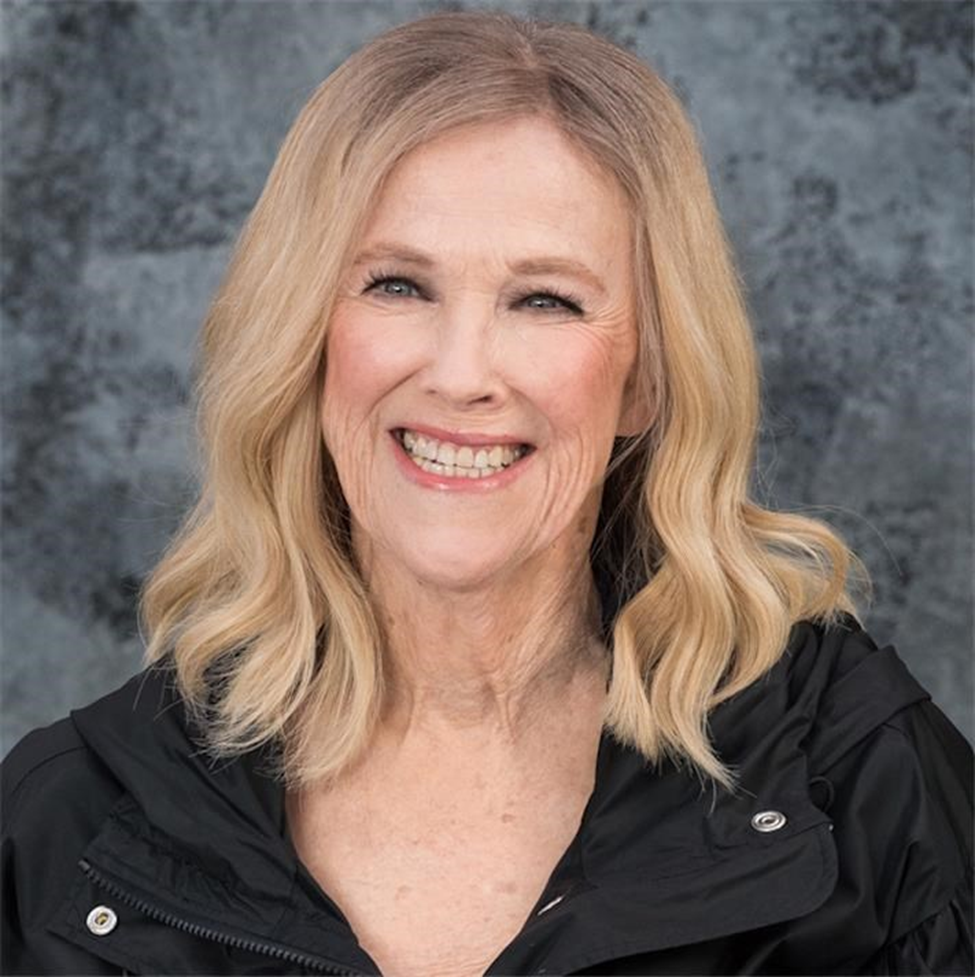
Lost to Rectal Cancer — Age 71
She was the mother we all remembered from Home Alone, the woman who made us laugh for decades. Catherine O’Hara passed away unexpectedly on January 30 at the age of 71, and what her death certificate revealed was sobering. She didn’t die from cancer directly. She died from a pulmonary embolism caused by rectal cancer, her cancer triggered a blood clot that traveled through her body and lodged in a pulmonary artery in her lung, blocking blood flow and oxygen completely.
She was gone before most people even knew she was sick. That is what this disease is capable of when it goes undetected, it doesn’t stay in one place. It moves. And it can take someone quickly and quietly, without the warning most people assume they would get.
James Van Der Beek — Actor | Dawson’s Creek Lost to Colorectal Cancer — Age 47
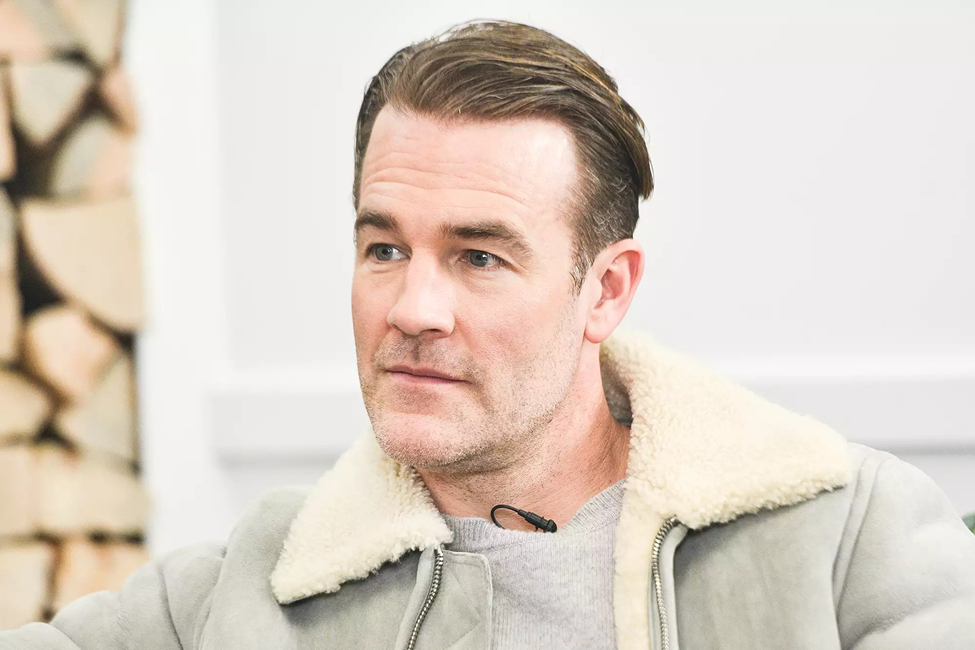
This one hits differently. Because James Van Der Beek was not elderly. He was not someone whose health had been in question for years. He was 46 years old, a working actor, a father, someone who by every outward measure was living a full and healthy life.
His story begins the way so many colon cancer stories quietly begin: with a change in bowel habits. Nothing dramatic. Nothing that would send most people rushing to the doctor. In fact, Van Der Beek initially assumed it was something as simple as his coffee intake. He cut back. The symptoms stayed. And that decision, to keep paying attention, to not just accept the most comfortable explanation, is what prompted him to get a colonoscopy.
The result was stage 3 colorectal cancer.
He had no family history. He had a healthy diet and lifestyle. He was 46 years old. He went public with his diagnosis in November 2024, spoke openly and courageously about his treatment journey, and passed away in December 2024 at the age of 47.
James Van Der Beek’s story is one of the most important ones on this entire list, not because of his fame, but because of how ordinary his warning signs were. A change in bowel habits. That was it. That was the signal. If he had ignored it, rationalized it, or waited another year, we might never have known what was quietly happening inside his body.
His story is not meant to frighten you. It is meant to make you take that symptom seriously. Whatever symptom you have been quietly dismissing, take it seriously.
Chadwick Boseman — Actor | Black Panther Lost to Colon Cancer — Age 43

This is the story that shook the world.
Chadwick Boseman, T’Challa, the King of Wakanda, one of the most celebrated and beloved actors of his generation, was diagnosed with stage III colorectal cancer in 2016 at just 39 years old. For four years, he fought. He went to chemotherapy. He recovered. He went back to set. He filmed Avengers: Infinity War. He filmed Black Panther. He gave acceptance speeches. He inspired millions of children who finally saw themselves as superheroes on the biggest screens in the world.
And he did all of it while quietly fighting for his life.
By the time he passed away on August 28, 2020, his cancer had progressed to stage IV. He was 43 years old. The world was completely blindsided. He had never said a word publicly about his diagnosis, not out of denial, but out of an extraordinary commitment to protect his privacy and keep showing up for the people counting on him.
He was 39 when he was first diagnosed. Physically fit. At the peak of his career. With no obvious reason for anyone to suspect anything was wrong.
If you are telling yourself right now that you are too young to worry about this, Chadwick Boseman’s story is your answer. Stage III at 39. Gone at 43. And the world is still grieving him.
Pelé — Soccer Legend | “The Greatest of All Time” Lost to Colon Cancer — Age 82
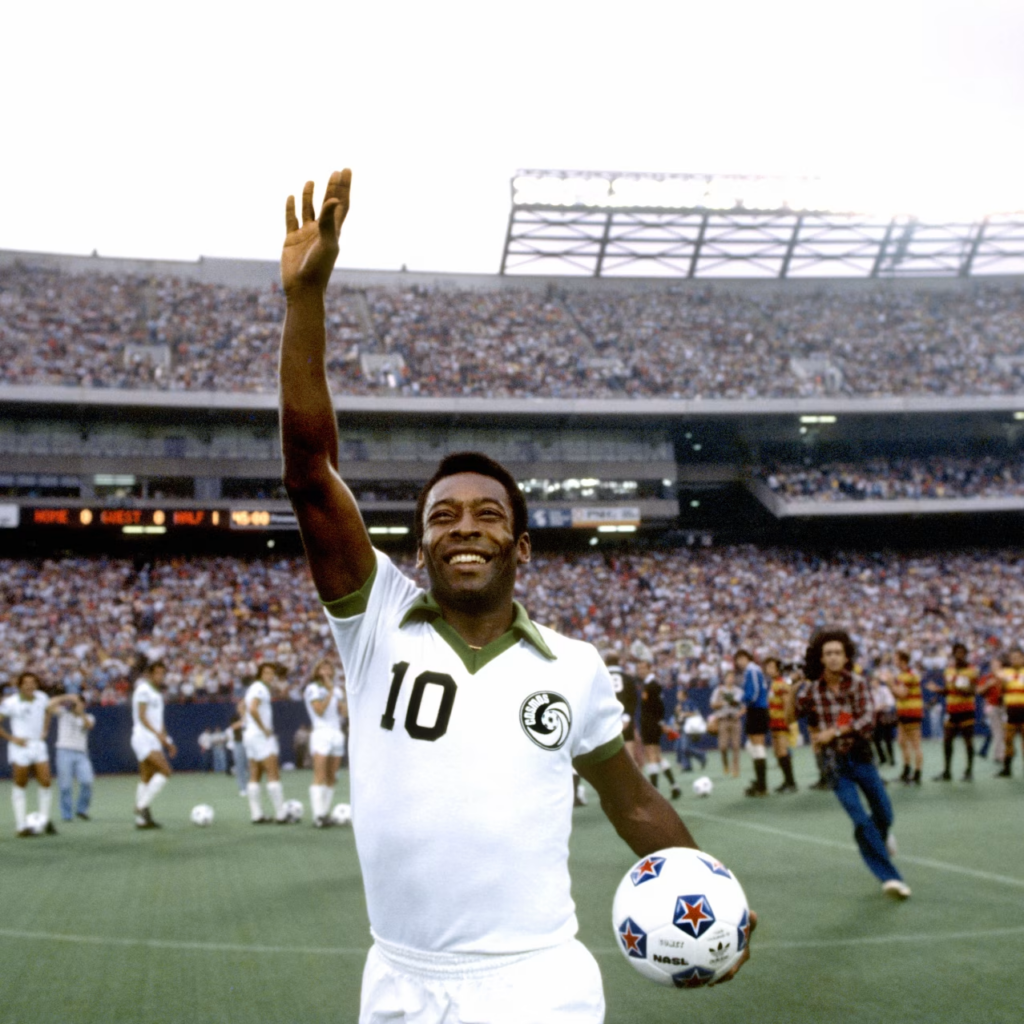
If there is one name that belongs at the very top of any conversation about greatness in human history, it is Pelé. Three World Cup titles. Over 1,000 career goals. A man who didn’t just play soccer, he transformed it into something that brought the entire world together. Pelé was diagnosed with colon cancer in 2021, and on December 29, 2022, the world said goodbye as the cancer spread to other organs. He was 82 years old.
The Greatest of All Time. Taken by colon cancer. If that doesn’t illustrate who this disease is capable of reaching, nothing will.
Charles M. Schulz — Creator of Peanuts | Charlie Brown & Snoopy Lost to Stage IV Colon Cancer — Age 77
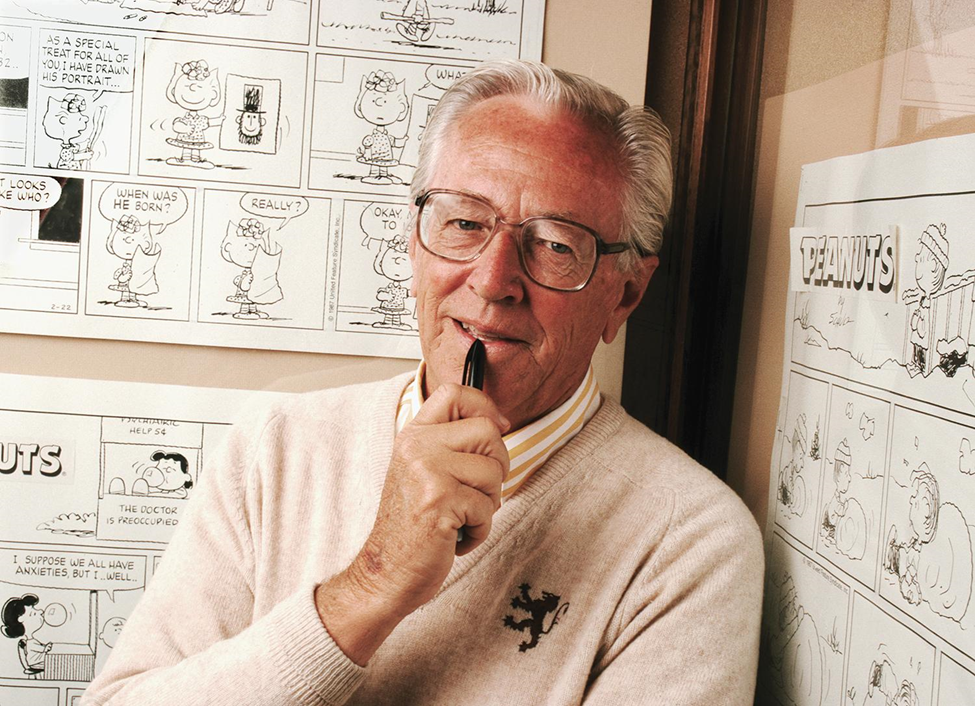
Good grief, indeed.
The man who gave the world Charlie Brown, Snoopy, Woodstock, and five decades of the most beloved comic strip in history died from stage IV colon cancer in February 2000 at the age of 77. What makes his story especially important is how his cancer was discovered, it was found during emergency surgery for a blockage in his abdomen. By that point, the disease had already advanced to its most aggressive and difficult-to-treat stage. He was treated with surgery and chemotherapy, but the cancer was already too far along.
He announced his retirement from Peanuts in December 1999, just weeks after his diagnosis. He passed away the very night before his final strip was published. His last comic ran on February 13, 2000, Valentine’s Day weekend, and in it, he quietly said goodbye to the characters he had drawn every single day for 50 years.
His story is one of the most powerful reminders on this list of why early detection is not optional. A cancer discovered during emergency surgery for an abdominal blockage is not an early finding. It is a very late one. And late findings change everything about what is possible.
Tina Turner — The Queen of Rock and Roll Passed Away from Intestinal Cancer and Related Complications — Age 83

Proud Mary. What’s Love Got to Do with It. A live performance presence that simply cannot be described, it has to be felt. Tina Turner faced intestinal cancer among a series of serious health challenges in her later years and passed away on May 24, 2023, at the age of 83.
Tina Turner survived more in her lifetime than most people could imagine. Her final years remind us that even the most extraordinary, seemingly unstoppable forces of nature are not immune to what happens inside the body when something goes undetected for too long.
Audrey Hepburn — Actress & Humanitarian Lost to Appendiceal Cancer (Related to Colorectal Cancer) — Age 63

She gave us Holly Golightly. She gave us a Roman Holiday. And in her later years, she gave up the spotlight entirely to work in refugee camps for UNICEF, because giving back mattered more to her than any camera. Audrey Hepburn was diagnosed with appendiceal cancer, a form closely related to colorectal cancer, in late 1992. She passed away in January 1993 at age 63, just months after her diagnosis became known.
She spent her whole life pouring herself out for others. Her story quietly insists that we take care of ourselves too.
🟢 The Survivors
Sharon Osbourne — TV Personality & Music Executive

In 2002, Sharon Osbourne was diagnosed with colon cancer. She had surgery, completed treatment, and has been cancer-free ever since. She doesn’t hedge when she talks about it. She says exactly what it was: early detection saved her life. That’s the whole story, and it’s a good one.
Ruth Bader Ginsburg — Associate Justice, U.S. Supreme Court
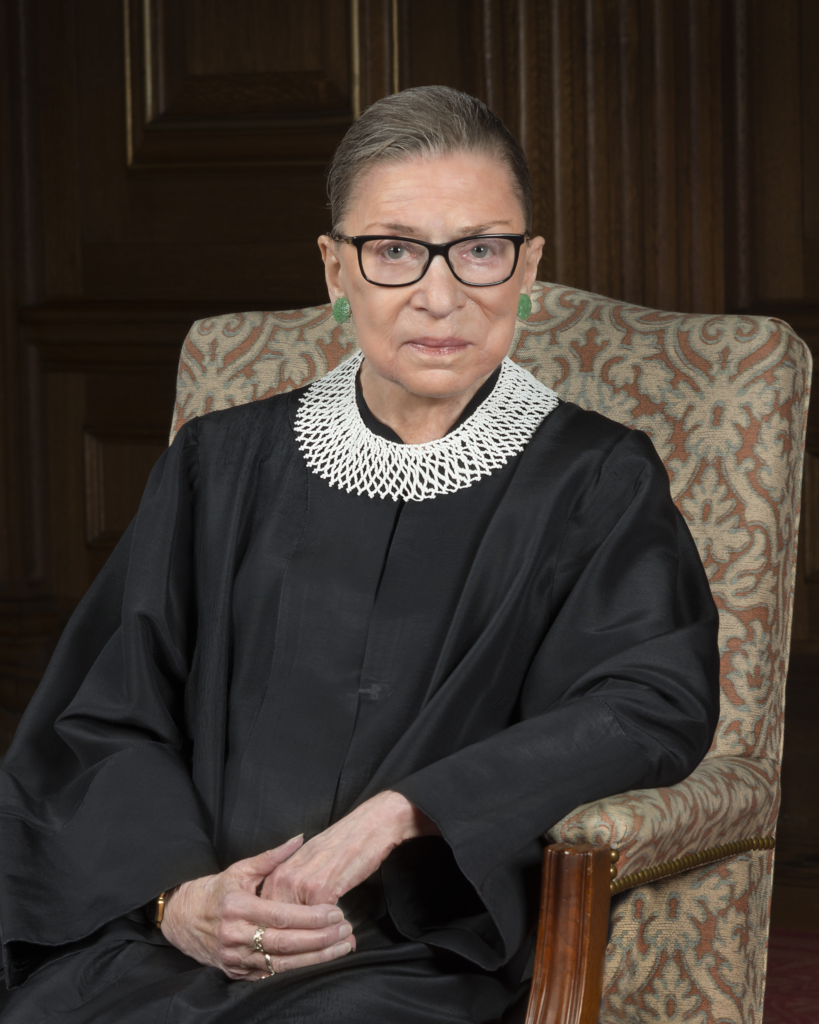
The Notorious RBG. One of the most consequential legal minds of the past century. Justice Ginsburg was diagnosed with colon cancer in 1999, had surgery, survived, and returned to the Supreme Court, where she continued shaping American law for over two more decades. She later faced other cancers and passed away in September 2020 at the age of 87.
Her survival from colon cancer was not magic. It was early detection, expert treatment, and the refusal to ignore what her body was communicating. And it gave the world 21 more years of her brilliance.
Ronald Reagan — 40th President of the United States.

In 1985, while actively serving as President of the United States, Ronald Reagan underwent surgery to remove a large cancerous polyp from his colon. He recovered fully, completed his presidency, and went on to live until the age of 93, ultimately passing away from Alzheimer’s disease in 2004.
President Reagan’s story is one of the most powerful examples in history of what early detection actually looks like in practice. A discovery, swift action, and the right medical care, and the leader of the free world got nearly two more decades of life. That is not luck. That is early detection doing exactly what it is designed to do.
“When you put a face to this disease, people we grew up watching in movies, listening to on the radio, cheering for on the field, it brings a realness that no statistic ever can. It can happen to anyone. Regardless of social status, ethnicity, or age. And especially now, seeing younger stars like James Van Der Beek and Chadwick Boseman pass far too soon, we can no longer afford to treat this as something that happens to other people.” — Dr. Olivera, M.D., A.G.A.F. | GO Gastro
Your Body Might Already Be Trying to Tell You Something
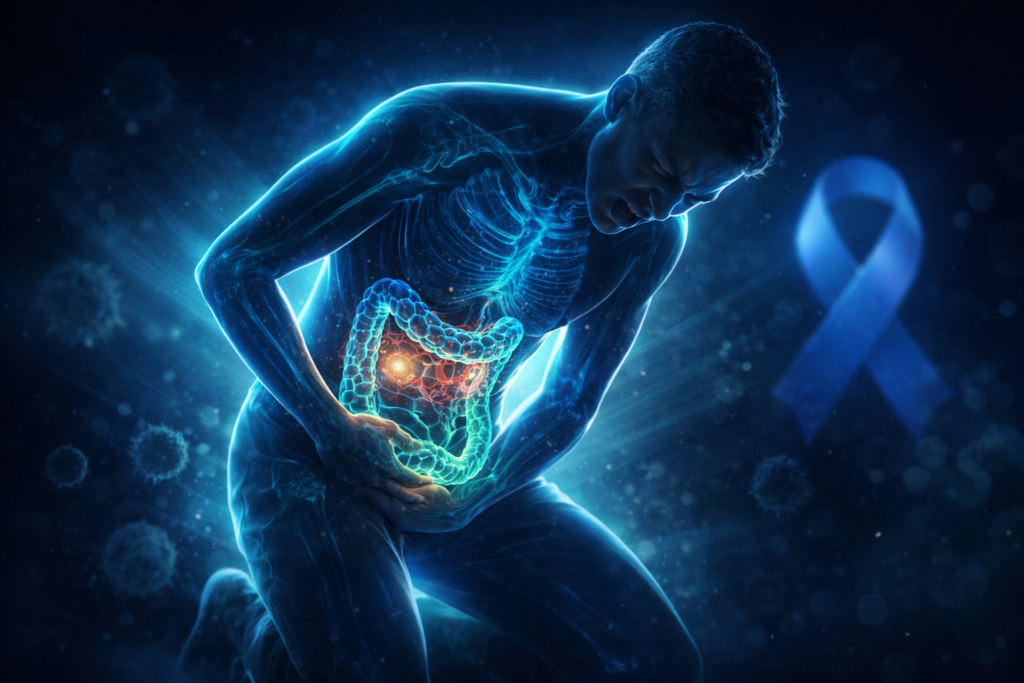
Here is the part that makes colon cancer particularly dangerous: in its earliest and most treatable stages, it often has no symptoms at all. None. You feel completely fine. You eat normally. You exercise. Nothing seems off. Meanwhile, something is quietly growing that a routine colonoscopy would have found and removed years ago.
Remember James Van Der Beek. His first and only symptom was a simple change in bowel habits. Nothing dramatic. He almost explained it away as too much coffee. But he kept paying attention, and that attention is what led to his diagnosis before it could quietly become something even worse.
When symptoms do show up, here is what to watch for. Please do not rationalize these away.
- 🩸 Blood in the stool or rectal bleeding — Don’t assume it’s hemorrhoids without getting it properly evaluated. Any unexplained rectal bleeding deserves a medical assessment, every single time.
- 🔄 Persistent changes in bowel habits — Ongoing diarrhea, constipation, or changes in stool consistency lasting more than four weeks is a signal worth acting on, not waiting out.
- 😣 Abdominal cramping or pain that keeps coming back — Recurring pressure, bloating, or discomfort that doesn’t resolve on its own deserves a conversation with your doctor. Don’t dismiss it as “just gas.”
- ⚖️ Unexplained weight loss — Losing weight without changing anything about your diet or lifestyle is your body waving a flag. Pay attention to it.
- 😴 Fatigue that rest doesn’t fix — Deep, persistent exhaustion — sometimes tied to internal bleeding-related anemia — is one of the most commonly overlooked symptoms of colon cancer.
- 🚽 The feeling that your bowel never fully empties — That persistent sense of incomplete evacuation after a bowel movement can indicate a mass or obstruction that needs to be properly evaluated.
And remember what Catherine O’Hara’s death certificate revealed, colorectal cancer that goes undetected doesn’t just stay in one place. It creates blood clots. It spreads. It reaches organs that have nothing to do with digestion. The longer it goes unaddressed, the further it reaches. If any of the symptoms above sound familiar right now, this is not the moment to close the tab. This is the moment to call.
Are You at Risk? Here’s What to Know.
The truth is, any of us can develop colon cancer. But certain factors raise your risk significantly, and knowing where you stand is one of the most empowering things you can do for your long-term health. James Van Der Beek had none of the traditional risk factors. No family history. Healthy diet. Active lifestyle. And he still got it at 46.
You’re at higher risk if:
- 👨👩👦 A parent, sibling, or child has been diagnosed with colon cancer or advanced polyps
- 🎂 You are 45 years of age or older
- 🥩 Your diet is high in red or processed meat and low in fiber
- 🛋️ You have a largely sedentary lifestyle — regular physical activity has been shown to reduce colon cancer risk by up to 40%
- ⚕️ You have a personal history of polyps, Crohn’s disease, or ulcerative colitis
- 🚬 You smoke or consume alcohol heavily on a regular basis
- 🧬 You carry a known genetic condition like Lynch Syndrome or Familial Adenomatous Polyposis (FAP)
But here is what Van Der Beek’s story teaches us above everything else: the absence of risk factors is not the same as the absence of risk. You do not need a family history. You do not need to be unhealthy. You need a colonoscopy.
So What Actually Happens During a Colonoscopy?
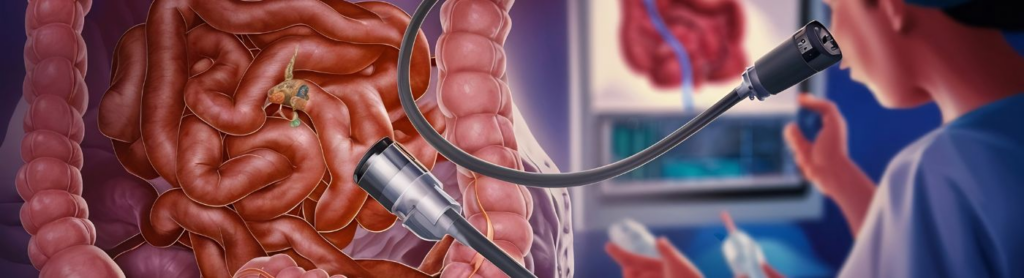
Let’s address the elephant in the room, because we know that fear of the unknown is one of the biggest reasons people keep delaying the very screening that could save their life. So here is exactly what happens, step by step, without the mystery.
- The night before: You follow a clear liquid diet and take a preparation solution to clear the colon. Is it a glamorous evening? Not particularly. Is it one evening that could give you ten years of peace of mind? Absolutely.
- The day of: You arrive at our office, receive a mild sedative, and get comfortable. Most patients feel nothing during the procedure. A significant number sleep through it entirely.
- The 30 minutes that matter: Dr. Olivera uses a thin, flexible camera to carefully examine the full lining of your colon, looking for any polyps or signs of abnormality.
- If polyps are found: They are removed immediately,right then, in the same appointment, before they ever have the chance to become cancerous. No second visit. No waiting. Done on the spot.
- Recovery: You rest for 30 to 60 minutes, you will need someone to drive you home, and your results are typically shared with you the same day.
That’s it. And if everything comes back completely clear?
You likely won’t need another colonoscopy for 10 full years.
One appointment. A decade of protection. James Van Der Beek noticed a symptom and got a colonoscopy. That colonoscopy told him the truth. Imagine what a routine screening, before any symptom even appeared, could have changed for him.
When Should You Start?
Here is the current guidance, updated in 2021 because colon cancer rates in younger adults have been rising at an alarming rate:
- 📅 Age 45 — Average risk and never screened? This is your start line. The American Cancer Society lowered the recommended age from 50 to 45 precisely because waiting was costing people their lives.
- 👨👩👦 Age 40 (or earlier) — If a first-degree relative was diagnosed with colon cancer or advanced polyps, start at 40 — or 10 years before your relative’s diagnosis age, whichever comes first.
- ⚕️ Earlier and more frequently — If you have IBD, Crohn’s disease, or ulcerative colitis, Dr. Olivera will create a customized screening plan built around your specific health history.
- 🧬 As early as your 20s — If you carry a known genetic syndrome, early and regular screening is not optional. A conversation with Dr. Olivera will map out exactly what your personal plan should look like.
And if James Van Der Beek’s story taught us anything, if you notice a change in your body that persists and doesn’t have a clear explanation, you do not need to wait for an age guideline to give you permission to get checked. Go. Get a colonoscopy. Find out.
The Bottom Line
Go back through those names one more time.
James Van Der Beek. Chadwick Boseman. Pelé. Farrah Fawcett. Charles Schulz. Tina Turner. Audrey Hepburn.
Now look at the other list.
Ronald Reagan. Ruth Bader Ginsburg. Sharon Osbourne.
Same disease. Completely different outcomes. And the difference, in nearly every case, comes down to one thing: whether it was found in time.
James Van Der Beek had a healthy lifestyle and zero family history. Chadwick Boseman was 39 and at the peak of everything. Charles Schulz didn’t know until emergency surgery. Farrah Fawcett’s cancer sent a clot to her lung. These are not worst-case horror stories designed to scare you into a doctor’s office. These are real, documented outcomes of what colon cancer does when it does not get caught early enough.
And then there is Ronald Reagan, who had a polyp removed in 1985 and lived to 93. Ruth Bader Ginsburg, who survived colon cancer and gave the world 21 more years of her remarkable mind. Sharon Osbourne, who is still here, still talking about it, still saying plainly that early detection is the reason she is alive.
That 90% survival rate is real. It is documented. It belongs to the people who show up for it — the people who stop postponing, stop assuming they’re fine, and stop waiting for a symptom that may not arrive until the window has already started closing.
This March, National Colon Cancer Awareness Month, we are asking you to do one thing.
Not for a ribbon. Not for a blog post. For your family. For the people who need you around. For the version of yourself that has decades of good things still ahead.
“My greatest reward is not treating disease, it is preventing it entirely. When I find and remove a polyp that would have become cancer in five years, that is a life we saved together. I never take that lightly.” — Dr. Olivera, M.D., A.G.A.F. | GO Gastro