
Nobody wants to talk about constipation. But at 2 AM when you’re uncomfortable and Googling? It suddenly matters.
Here’s the truth: 16% of adults deal with this regularly, and most cases are fixable with simple changes.
Let’s answer the real questions.
What’s Actually Causing Your Constipation?
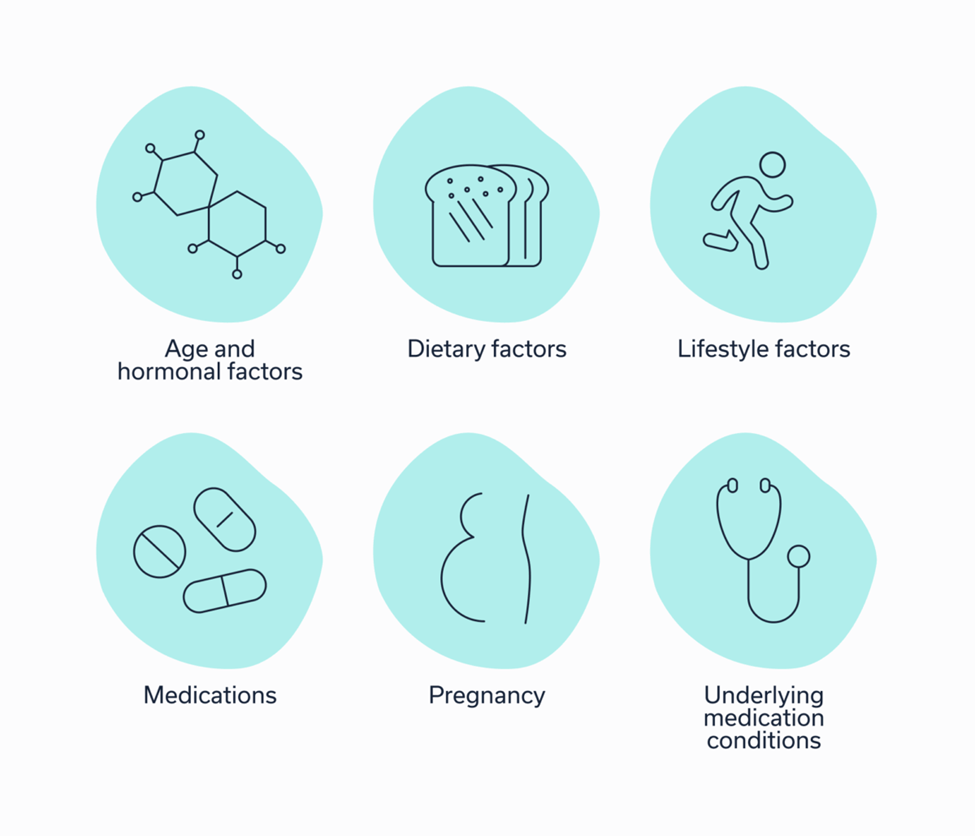
Think of your digestive system like a highway. When traffic flows smoothly, you’re good. When something blocks the road? Everything backs up. Here’s what’s creating those roadblocks.
You’re Living on the Standard American Diet (And It Shows)
Let’s be honest,most of us aren’t eating enough fiber. The average American gets about 15 grams daily when your body actually needs 25-30 grams. That’s like trying to sweep a floor with half a broom.
And what are we eating instead? Processed foods, cheese, burgers, pasta with cream sauce. All delicious, all slow-moving through your system. These foods don’t give your intestines the bulk they need to push waste along. No fiber = no movement.
Your Water Bottle Has Been Empty All Day
Here’s what happens when you’re dehydrated: your colon is designed to absorb water from the food waste passing through. When you’re properly hydrated, it takes just enough water and leaves your stool soft and easy to pass.
But when you’re running on coffee, maybe a soda at lunch, and barely any actual water? Your colon goes into survival mode. It sucks out every last drop of moisture it can find, leaving behind hard, dry stool that’s about as easy to pass as concrete. And no, your three cups of coffee don’t count as hydration. Caffeine actually makes you more dehydrated.
Your Desk Job Is Literally Slowing Your Gut
Sitting for 8+ hours a day doesn’t just make your back hurt, it’s messing with your digestion too. Physical movement stimulates those wave-like contractions in your intestines that push food through. When you’re parked in a chair all day? Those contractions slow way down.
It’s like your gut is on autopilot when you’re sedentary. Get up, move around, and suddenly things start working again. There’s a reason people who are bedridden struggle so much with constipation.
That New Prescription Might Be the Culprit
Recently started a new medication and suddenly can’t go? You’re not imagining it. Some of the most commonly prescribed drugs are notorious for causing constipation.
The worst offenders: pain medications (especially anything with opioids), antacids with aluminum or calcium, antidepressants, blood pressure meds, and iron supplements. These can slow your digestive system to a crawl.
Important note: Never stop taking prescribed medication just because it’s constipating you. Talk to your doctor, there are usually alternatives or ways to manage the side effects while continuing your treatment.
You’ve Been “Holding It” Way Too Often
We’ve all done it. You’re in a meeting. Stuck in traffic. At your in-laws’ house. So you ignore the urge and wait for a “better time. “Do this enough and your body basically gives up trying to communicate with you. Your rectum becomes desensitized to the signals. The muscles weaken. Eventually, your body loses the coordination it needs for easy bowel movements. It’s like training yourself not to go, which is the opposite of what you want.
Your Stress Is Showing Up in Your Gut
Ever notice how your stomach gets upset when you’re anxious? That’s not a coincidence. Your digestive system has its own nervous system,literally called the “second brain”,with more nerve cells than your spinal cord.
When you’re stressed, anxious, or overwhelmed, your body goes into fight-or-flight mode. Blood flow gets redirected away from digestion to your muscles and vital organs. Stress hormones slow down intestinal contractions. Your gut basically hits pause.
This is why constipation often gets worse during work deadlines, relationship problems, or major life changes. Your gut is a direct reflection of your emotional state.
How Do You Know It’s Constipation?
This chart, called the Bristol Stool Chart, is a way of identifying constipation. Constipation generally refers to poo that is type 1 or type 2 on the chart. The poo is often hard and difficult to pass.
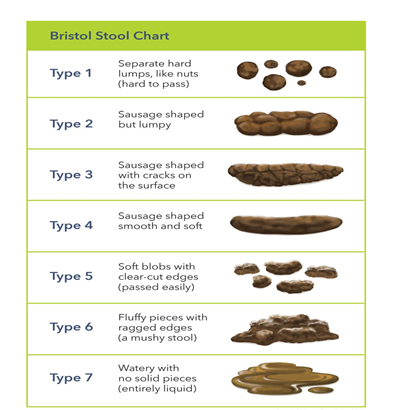
Here’s where things get confusing because everyone’s “normal” looks different. Some people go three times a day, others three times a week. Medical experts consider anywhere from 3 times daily to 3 times weekly healthy.
What matters more than frequency is how you feel and what your stools look like. If you normally go every day and suddenly you’re only going twice a week, that’s a change worth paying attention to.
Signs You’re Constipated
You’re likely constipated if you’re having fewer than 3 bowel movements per week. But frequency isn’t the only indicator.
Hard, dry, or lumpy stools that look like small pellets are classic signs. If you’re straining or feeling pain when you try to go, that’s your body telling you something’s not right. Many people also experience a persistent feeling of not being fully empty even after a bowel movement.
The discomfort often extends beyond the bathroom. Bloating and abdominal discomfort are extremely common. Your stomach might feel swollen, tight, or tender. Some people feel full even when they haven’t eaten much.
Surprising Symptoms
Constipation can cause symptoms that seem unrelated to your digestive system. Nausea is more common than people realize,when your colon is backed up, pressure throughout your abdomen can make you feel sick.
Lower back pain is another surprise. The bloating and pressure can radiate to your back. Some people even get headaches when severely constipated.
You might also feel sluggish, fatigued, or mentally foggy. Your body is carrying around waste that should have been eliminated, and that affects your overall wellbeing.
Red Flags—Call Your Doctor
🚨 Blood in stool or on toilet paper
🚨 Severe or worsening abdominal pain
🚨 Unexplained weight loss (10+ pounds)
🚨 Pencil-thin stools
🚨 Can’t pass gas with severe bloating
How Long Is Too Long?
3 days: Time to take action. Stool is getting harder and drier.
1 week: Call your doctor even without pain. You’re dealing with severe constipation unlikely to resolve with home remedies alone.
The longer stool sits, the more water your body absorbs, creating a vicious cycle. This can lead to fecal impaction, hemorrhoids, anal fissures, and even rectal prolapse.
7 Things That Actually Work
1. Water—The Foundation
8-10 glasses daily (64-80 oz) of actual water. Start mornings with warm water and lemon to trigger your digestive system. Sip consistently throughout the day.
2. Coffee Helps
Coffee stimulates your colon and increases activity by 60%. Most see results in 20-30 minutes. But don’t rely on it long-term or your body becomes dependent. Balance it with plenty of water.
3. Add Fiber Gradually
Soluble fiber (oats, apples, beans) softens stool. Insoluble fiber (vegetables, whole grains) adds bulk.
Start with 5 extra grams daily, increase slowly to 25-30 grams over 2-3 weeks. Fiber without water makes things worse.
4. Move Daily
Even 10-15 minutes of walking helps. Regular exercise reduces constipation risk by 44%. Consistency matters more than intensity.
5. Natural Remedies
Prunes: 4-5 daily or a glass of juice. Contains sorbitol (natural laxative) plus fiber. Works in 6-12 hours.
Kiwi: 2 daily significantly improves frequency thanks to fiber and the enzyme actinidin.
Chia seeds: 1-2 tablespoons in water forms a gel that softens stool. Drink plenty of water with them.
6. Over-the-Counter Options
For regular use: Fiber supplements (Metamucil, Citrucel) or Miralax—safe for ongoing use.
For quick relief: Colace (stool softener) or Dulcolax (stimulant laxative—don’t use it regularly or you’ll become dependent).
7. Fix Your Position
Use a footstool to elevate your feet, bringing knees higher than hips. This straightens your colon and reduces straining by up to 50%. Lean forward slightly with elbows on knees.
Quick Answers
Does constipation cause weight gain?
Only temporarily—2-5 pounds of backed-up waste and water retention. Once you go, it’s gone.
Why doesn’t fiber help me?
You’re not drinking enough water with it, eating the wrong type for your body, or there’s an underlying issue.
Is straining dangerous?
Yes. It causes hemorrhoids, fissures, and potentially rectal prolapse. Stop if nothing happens and try later.
What foods make it worse?
Dairy, red meat, processed foods, fried foods, and alcohol.
Is it normal during pregnancy?
Yes—over 50% of pregnant women experience it due to hormones, uterus pressure, and high-iron prenatal vitamins.
Prevent It From Coming Back
- Start mornings with warm water and lemon
- Never skip breakfast,it triggers your digestive system
- Make fiber part of every meal
- Walk 15 minutes daily
- Never ignore the urge to go
- Manage stress (your gut and brain are connected)
When to See a Doctor
Call your doctor if your constipation lasts 2-3+ weeks despite trying everything, or if you have severe or worsening pain. Blood in your stool should always be checked, even if you think it’s just hemorrhoids.
Unexplained weight loss (10+ pounds) combined with constipation needs investigation. Alternating between constipation and diarrhea often signals IBS or other conditions requiring diagnosis.
All things considered, you should see a doctor if constipation or any other physical discomfort is interfering with your daily life.
Any sudden changes in your bowel habits deserve attention, especially if you’re over 50.
The Bottom Line
Most constipation fixes with simple changes: more water, gradual fiber increase, regular movement, and listening to your body.
Be consistent and patient. If lifestyle changes don’t work after a few weeks, see a doctor. Early help prevents complications.
Experiencing persistent digestive issues? Our gastroenterology specialists identify root causes and create personalized treatment plans.
Your Action Plan:
✓ Warm water and lemon every morning
✓ 8-10 glasses of water daily
✓ Add fiber gradually (start with 5g extra)
✓ Walk 15 minutes after meals
✓ Use a footstool
✓ See a doctor if it lasts 3 weeks