
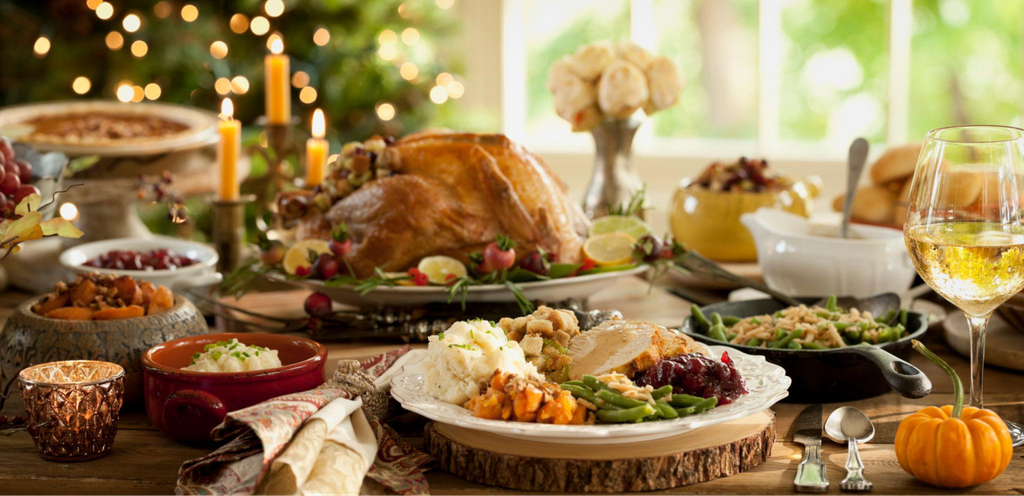
Most people blame the holidays for every digestive problem that shows up during the festive season. Sometimes they’re right. Heavy meals, low fiber, alcohol, less water, and a broken routine can leave anyone constipated, bloated, and uncomfortable for days.
But “just the holidays” is also the excuse that keeps people from getting symptoms checked. Some changes in bowel habits have nothing to do with what’s on your plate, and waiting them out can cost you time you don’t want to lose.
So how do you tell the difference between a rich meal and a real warning sign? Does one big dinner actually harm your colon?
This guide covers what holiday eating does to your colon, how to eat well without giving up your favorite foods, which symptoms you should never ignore, and why colorectal cancer screening matters.
Your colon does not take a holiday, even when the rest of you does.
At GoGastro , we see this pattern every year. Patients arrive in January with bloating, constipation, and irregular bowel habits, and most of them blame “all that food.” Sometimes they are right. Sometimes something more is going on. This guide explains what holiday eating really does to your colon, which habits are worth adjusting, how to enjoy your favorite meals without guilt, and when a change in your bowel habits deserves a conversation with a doctor.
The goal is not to take the joy out of the season. It is to enjoy every bite while looking after your gut at the same time.
What Big Meals Do to Your Colon
Before we look at what the season does to your digestion, it helps to understand what your colon does every single day.
The colon, also called the large intestine, is the final stretch of your digestive tract. By the time food reaches it, most of the nutrients have already been absorbed. The colon’s job is to pull water out of what remains, shape it into stool, and move it along steadily until it is time to leave the body. To do this well, it depends on four things: fiber, fluid, movement, and a steady daily rhythm.
The holidays tend to disturb all four at once. Meals become larger and less predictable. Fresh vegetables and whole grains slip off the plate while refined bread, rich sauces, and desserts take over. Water gets replaced by coffee, cocktails, wine, and sugary drinks. Exercise gets postponed, sleep gets shorter, and if you are traveling, your usual bathroom routine goes out of the window as well.
The result is a colon that is being asked to do more work with fewer of the things it needs. For many people, that shows up in familiar ways.
Constipation is the most common. Stool becomes hard, dry, and difficult to pass, or bowel movements become less frequent than usual. Bloating and gas often follow large meals, fatty foods, fizzy drinks, and a sudden drop in fiber. Some people also notice cramping or abdominal discomfort after heavy, rich meals, or find themselves swinging between constipation and loose stools for no obvious reason.
Here is the reassuring part. For most healthy adults, these symptoms are temporary. A few days of heavy eating will not damage your colon, and one big dinner does not cause lasting harm. Your digestive system is remarkably resilient and usually bounces back once your routine does.
The real concern is not one indulgent meal. It is what your habits look like over months and years.
That difference matters, and we will come back to it. First, let’s look at what is actually sitting on the table.
The Foods and Habits That May Affect Colon Health
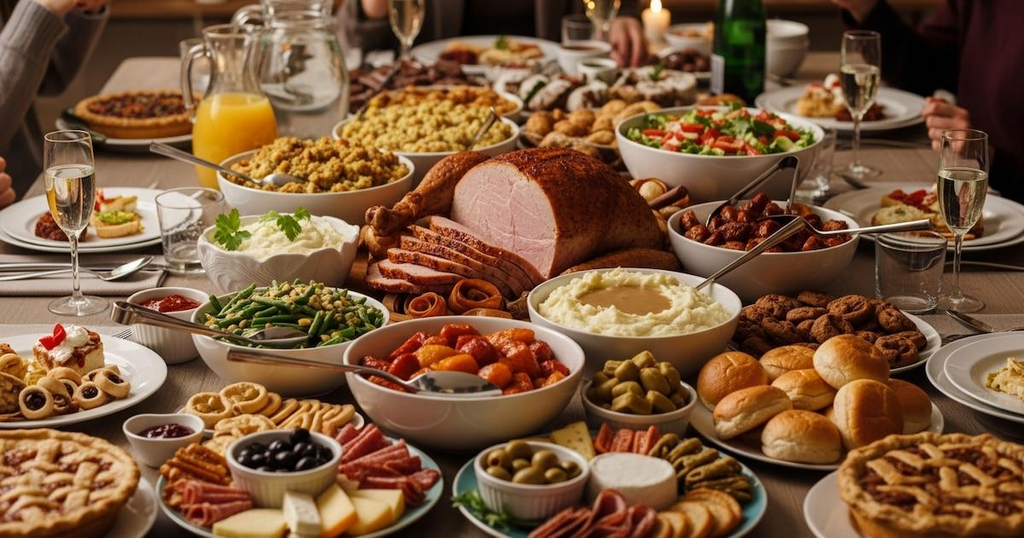
Festive food is not the enemy. It carries tradition, memory, and comfort, and there is nothing wrong with that. But some of tFestive food is not the enemy. It carries tradition, memory, and comfort, and there is nothing wrong with that. But some of the most popular choices share features that can make life harder for your colon. Understanding them lets you make small, smart adjustments instead of dramatic sacrifices.
Here are the main things worth knowing about:
- Low-fiber favorites. White dinner rolls, buttery pastries, cakes, cookies, and pies are made with refined flour, which has had most of its fiber removed. Fiber adds bulk to stool and helps it move smoothly. When the plate is mostly refined carbohydrates, the colon has less to work with, and constipation becomes more likely.
- Red and processed meats. Ham, bacon, sausages, roast beef, and cured meats appear on almost every festive menu. The American Cancer Society links regular, long-term consumption of red and processed meat with a higher risk of colorectal cancer, and the link is stronger for processed meat.
- Rich, high-fat meals. Gravy, cream-based sides, fried foods, and heavily buttered dishes take longer to digest. They can leave you feeling full, sluggish, and uncomfortable.
- Alcohol and sugary drinks. Alcohol can dehydrate you, irritate the digestive tract, and disrupt your normal bowel rhythm. Sugary drinks add calories without any of the fiber or nutrients your colon needs.
- Large portions and constant snacking. Grazing from morning until night keeps your digestive system working without a break and can lead to bloating, gas, and an unsettled stomach.
Now for a point that is easy to misread, because there are two very different stories here.
The first is short-term discomfort. Bloating after a rich dinner, constipation after a weekend of heavy eating, or an upset stomach after one too many treats is common, uncomfortable, and usually temporary. It fades once your routine returns to normal.
The second is long-term risk. This comes from dietary patterns repeated over many years, such as eating processed meat often, drinking heavily on a regular basis, or living on a low-fiber diet. These patterns, not a single feast, are what researchers associate with a higher risk of colorectal disease.
Seeing the difference helps you worry about the right things. A slice of ham on Christmas Day is not a threat to your colon. Eating processed meats every day for decades deserves more attention. The holidays are simply a good reminder to look at your everyday habits and ask whether they are working for you.
Why Your Bowel Habits May Change During the Holidays
Food is only half the story. Many people are surprised to find that their bowel habits change during the holidays even when they are eating reasonably well. The reason is simple: your colon loves routine, and the holidays are anything but routine.
Start with movement. Physical activity helps stimulate the muscles of the intestines, and during the holidays, normal exercise is often the first thing to go. More sitting, more lounging, and more time at the table means a slower gut.
Then there is travel. Long drives, flights, and nights in other people’s homes can throw off your body’s natural timing. Many people feel uncomfortable using an unfamiliar bathroom, or simply do not want to interrupt a busy schedule. The outcome is often constipation that begins on the first day of the trip and lasts until you are back home.
Disrupted meals and sleep add to the problem. Your digestive system follows a daily rhythm, just like your sleep does. Eating at odd hours, staying up late, and sleeping in can shift that rhythm, and your bowel habits may shift with it.
Finally, there is a habit that sounds small but is not: ignoring the urge. When your body signals that it is time to go and you put it off because the movie is at a good part, the car is moving, or the house is full of guests, the stool keeps losing water in the colon. The longer it waits, the harder and drier it becomes, and the harder it is to pass. Doing this repeatedly can make constipation more stubborn.
When your body says it is time, listen. Your colon keeps a very honest schedule.
If this sounds like your last holiday season, take heart. Most of these causes are easy to address once you see them clearly, and the next section shows you how.
How to Enjoy Your Favorite Meals While Supporting Colon Health
Here is the good news: you do not need to give up your favorite foods to look after your colon. Digestive health is rarely about strict rules. It is about balance, and a few steady habits go a long way. Think of what follows as additions rather than restrictions.
Start by making room for fiber. Fiber is the best friend of a happy colon, and the festive table has more of it than you might think. Roasted vegetables, green beans, sweet potatoes, cranberries, salads, lentils, beans, nuts, and whole grains all count. The National Institute of Diabetes and Digestive and Kidney Diseases notes that most adults need roughly 25 to 38 grams of fiber a day, and many fall short of that. You do not need to overhaul the menu. Simply filling half your plate with vegetables and fruit before adding the heavier dishes makes a real difference. If you are increasing fiber, do it gradually, because a sudden jump can cause gas and bloating.
Next, keep the water flowing. Fiber works best when there is enough fluid to go with it, and without water, extra fiber can actually make constipation worse. Keep a glass of water at the table, sip between drinks, and have a full glass when you wake up. If you are enjoying alcohol, alternate each drink with water.
Build a balanced plate. You can take a little of everything and still look after your gut. Pair the rich dishes with lighter ones, add protein and vegetables alongside the carbohydrates, and eat slowly. Taking your time gives your body a chance to signal that it is full, which makes overeating less likely.
Small Habits, Big Difference
Be thoughtful about red and processed meat. You do not have to skip the ham or the sausages. Choose smaller portions, enjoy them as a treat rather than a daily habit, and give poultry, fish, or plant-based proteins a place on the plate. Think of it as a pattern you build over time rather than a rule for one dinner.
Keep your body moving. A walk after a big meal is one of the simplest and most pleasant ways to support digestion. It does not need to be a workout. A brisk stroll around the neighborhood, a game in the yard with the kids, or a family walk before dessert is enough to wake up your gut and lift your mood.
Protect your bathroom routine. Try to keep your regular schedule, especially in the morning after breakfast, when the colon is naturally more active. When you travel, bring your routine with you, and do not ignore the urge when it arrives.
Finally, go easy on alcohol. The American Cancer Society notes that alcohol is linked with several cancers, including colorectal cancer. For those who do drink, the general guideline is no more than one drink a day for women and two for men, and less is better.
Supporting your colon does not mean skipping the celebration. It means showing up for it with a little more balance.
You can enjoy the pie, the gravy, and the stuffing and still keep your digestive system happy. That is the whole idea.
When Should You Be Concerned About Changes in Your Bowel Habits?
This is the part of the article we most want you to remember.
Festive eating can cause temporary changes in your digestion, and that is normal. But it is also very easy to blame everything on the season. Some changes in bowel habits have nothing to do with the feast, and when symptoms last, they deserve to be taken seriously and looked at properly.
Persistent symptoms should never be automatically explained away as “just the holidays.” If a change is still there weeks after your routine returns to normal, it needs a medical evaluation.
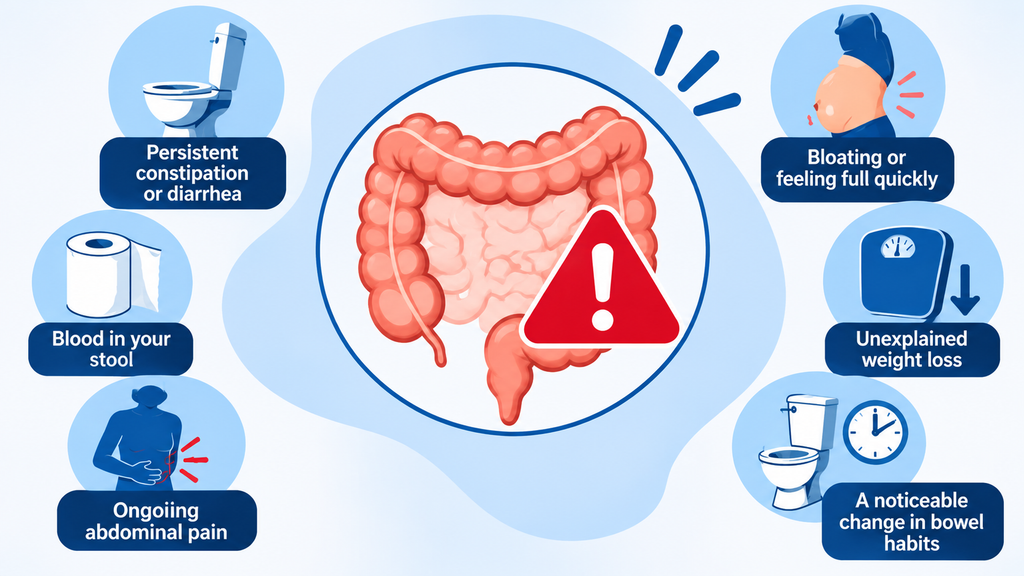
These are the warning signs that should not be ignored:
- Blood in the stool or rectal bleeding. Bright red blood, dark or tarry stools, or blood on the toilet paper should always be checked. It may come from something minor like hemorrhoids, but that should never be assumed without a medical opinion.
- Persistent constipation or diarrhea. Constipation or loose stools that last more than a few weeks, or keep returning without a clear cause, deserve attention.
- Ongoing changes in bowel habits. A lasting shift in how often you go, how it feels, or how completely you empty your bowels is worth discussing.
- Persistent abdominal pain or discomfort. Pain, cramping, or bloating that does not settle should not be dismissed.
- Unexplained weight loss. Losing weight without trying, especially alongside other digestive symptoms, is a signal to see a doctor.
- Unusual or persistent changes in stool appearance. Stools that are much narrower than usual, persistently very dark, or noticeably different for an extended period should be checked.
Please read this list as a prompt to act, not a cause for panic. Many of these symptoms turn out to have common, treatable causes. The point is that a doctor, not a guess, should be the one to tell you which it is.
It is also worth saying clearly that symptoms and screening are two different things. Screening is for people who feel well and are checking for problems that have not yet shown themselves. If you already have concerning symptoms, you need a medical evaluation, which is not the same as waiting for your next routine screening. At GoGastro, we would always rather see you early and reassure you than have you wait and worry.
Don’t Overlook Colorectal Cancer Screening
If there is one health step that deserves a place on your calendar before the new year, it may well be colorectal cancer screening.
Colorectal cancer is one of the more common cancers, and it is also one of the most preventable and treatable when caught early. The reason is that most colorectal cancers begin as small growths called polyps, which can sit quietly in the colon for years without causing any symptoms. Screening can find those polyps, and in many cases they can be removed before they ever become cancer. That is what makes screening so powerful. It does more than detect disease. It can help prevent it.
So when should you start? The U.S. Preventive Services Task Force, the American Cancer Society, and the CDC all recommend that average-risk adults begin colorectal cancer screening at age 45. Screening generally continues through age 75, with decisions after that made individually with your doctor.
Some people need to begin earlier or be checked more often. This can include people with a parent, sibling, or child who has had colorectal cancer or advanced polyps, people with a personal history of polyps or colorectal cancer, people with inflammatory bowel disease such as Crohn’s disease or ulcerative colitis, and people with certain inherited conditions that raise colorectal cancer risk. If any of this applies to you, speak with a gastroenterologist about the right timing for your situation.
There is also more than one way to be screened. Colonoscopy is the best known, and it allows a doctor to examine the entire colon and remove polyps during the same procedure. Other recommended options include stool-based tests that can be done at home. The right choice depends on your age, your risk, and your preferences, and your doctor can help you decide.
Now, an important message about food. A healthy diet is genuinely good for your colon, and everything in this article is worth doing. But eating well does not replace screening. Even people with excellent habits can develop polyps, and no food, however healthy, has been proven to prevent colorectal cancer on its own. Diet and screening work best as a team.
A healthy plate supports your gut. A screening test protects your future. You need both.
If you are 45 or older and have never been screened, or you are not sure when you are due, this is a very good time to ask.
Enjoy the Holidays Without Forgetting Your Colon Health
The holidays are meant to be enjoyed. They are about family, food, laughter, and the traditions that make the season feel special. Your digestive health does not have to be the price you pay for any of that.
Let’s bring it all together. Your colon thrives on balance, and a few simple habits go a long way. Make room for fiber-rich foods like vegetables, fruit, beans, and whole grains. Drink water throughout the day. Be mindful of red and processed meats and of alcohol. Keep moving, even if it is only a walk after dinner. Protect your bathroom routine wherever the season takes you, and never ignore the urge to go.
Remember too that one big meal will not damage your colon, but your long-term habits matter. Use this season as an opportunity to build routines that serve you all year round.
Most importantly, pay attention to your body. Temporary bloating or constipation after a big meal is one thing. Blood in the stool, ongoing changes in your bowel habits, persistent pain, or unexplained weight loss are another. Those signs deserve a proper medical evaluation, not a wait-and-see approach.
If you have noticed lasting changes in your digestion, if something simply does not feel right, or if you have questions about colorectal cancer screening, the team at GoGastro is here to help. Do not wait for the new year to look after your digestive health. Call GoGastro at (773) 871-4600 today to book a consultation, and step into the holiday season feeling informed, comfortable, and confident.